Essential Photographic Equipment for National Park Tours
Chosen theme: Essential Photographic Equipment for National Park Tours. Step into wild light and sweeping vistas with a dialed-in kit that keeps you creative, safe, and ready for unforgettable moments. Subscribe and share your go-to gear—your tip may inspire a fellow traveler’s best shot.
Cameras and Sensor Choices for Wild Landscapes
Full-frame sensors deliver generous dynamic range for sunrise canyons and deep shadows, but weight matters on steep switchbacks. APS-C offers reach for wildlife and lighter bodies. Micro Four Thirds keeps kits nimble, helpful when your itinerary includes long hikes between overlooks.
Cameras and Sensor Choices for Wild Landscapes
National parks serve wind, spray, dust, and temperature swings. Bodies with robust sealing, magnesium frames, and covered ports resist grit at desert overlooks and mist near waterfalls. A reader once thanked gasketed doors after a sudden Smokies downpour spared their memory cards.
Lenses That Tell the Park’s Story
An ultra-wide zoom lets you frame layered foregrounds—wildflowers, driftwood, sandstone—against dramatic skies. Stop down for edge-to-edge sharpness, and watch those corners. In Zion, a reader used a 16–35mm to anchor river stones that guided the eye through glowing canyon walls.
Lenses That Tell the Park’s Story
A 100–400mm or 150–600mm brings distant bison, eagles, and mountain goats safely close. Telephotos also compress ridgelines beautifully at sunset. Always maintain ethical distances and follow park rules. Tell us which focal length saved your best shot without stressing the animals.
Stability in the Elements: Tripods, Heads, and Supports
Choosing the Right Tripod
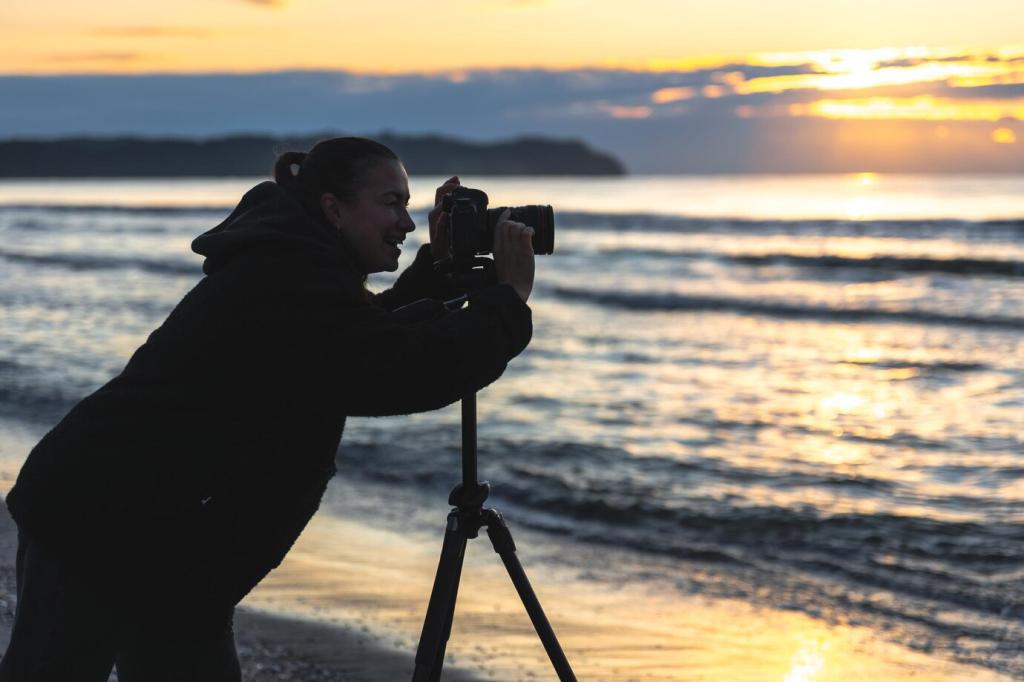
Carbon fiber tripods dampen vibration and lighten the load, ideal for long trails. Look for twist locks that shed sand and legs that splay low for streamside shots. A center column hook stabilizes with a bag during gusty canyon overlooks or beach winds.
Heads, Plates, and Quick Transitions
Ball heads with friction control enable fast reframing between wildlife and landscapes. Arca-style plates simplify swaps to gimbals for long lenses. Keep a multi-tool handy for loose clamps. Comment with your favorite head that balances precision, speed, and trail-worthiness.
Alternatives: Monopods, Trekking Poles, and Beanbags
When tripods are impractical, a monopod steadies telephotos from overlooks. Trekking poles with camera mounts pull double duty. Beanbags tame car-window vibrations in drive-through wildlife areas. Share what support saved your shot when space, time, or permits limited tripod use.
A circular polarizer cuts reflections on lakes, saturates skies, and clarifies foliage after rain. Be mindful of uneven polarization on ultra-wide lenses. In Grand Teton, rotating just a touch revealed submerged stones that gave the composition unexpected depth and texture.
Solid ND filters lengthen exposure for silky waterfalls and cloud streaks; graduated ND balances bright skies over dark valleys. Step-up rings reduce how many sizes you carry. Tell us your go-to ND strength for balancing portability with creative flexibility in changing light.
Use a slim case and microfiber cloths to keep filters scratch-free. Wear gloves in winter to avoid fumbles and fogging. Label densities clearly. A subscriber reported that color-coded caps sped swaps during a fleeting sunbreak at the Grand Canyon’s rim.
Power, Storage, and Data Safety on the Trail
Carry at least three charged batteries, stashed in insulated pockets during cold mornings to preserve capacity. A compact USB-C power bank can top up between trailheads. Mark used packs clearly, and share your cold-weather tips to keep shutters clicking at dawn.
Protection and Carry: Bags, Weatherproofing, and Safety
Choose a backpack with a supportive hip belt, ventilated back panel, and quick side access for fast lens swaps. Modular cubes adapt to day hikes or longer routes. Tell us which pack made twelve-mile days feel surprisingly manageable without sacrificing essentials.